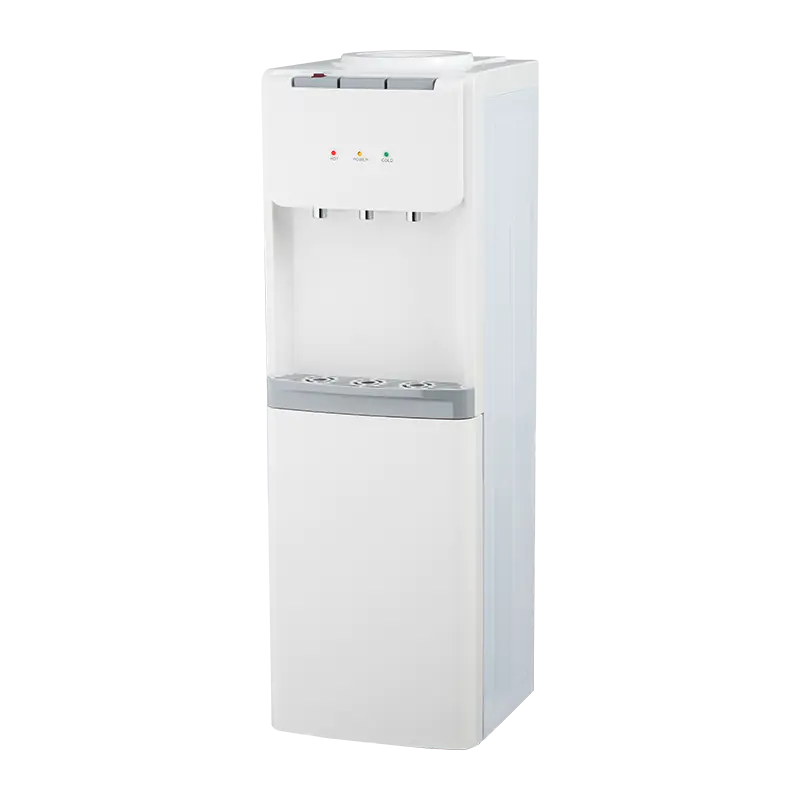
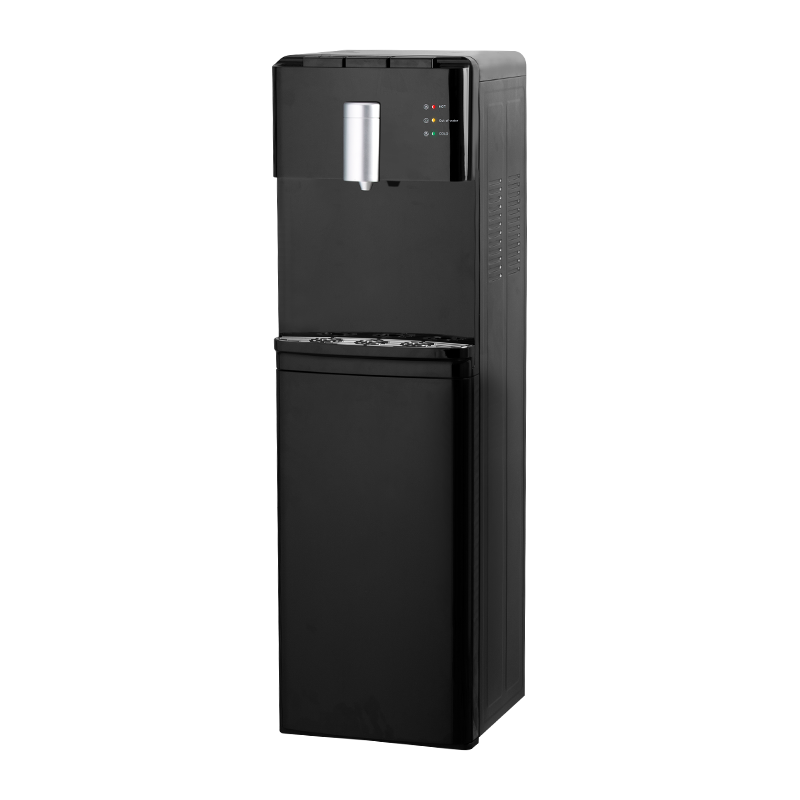
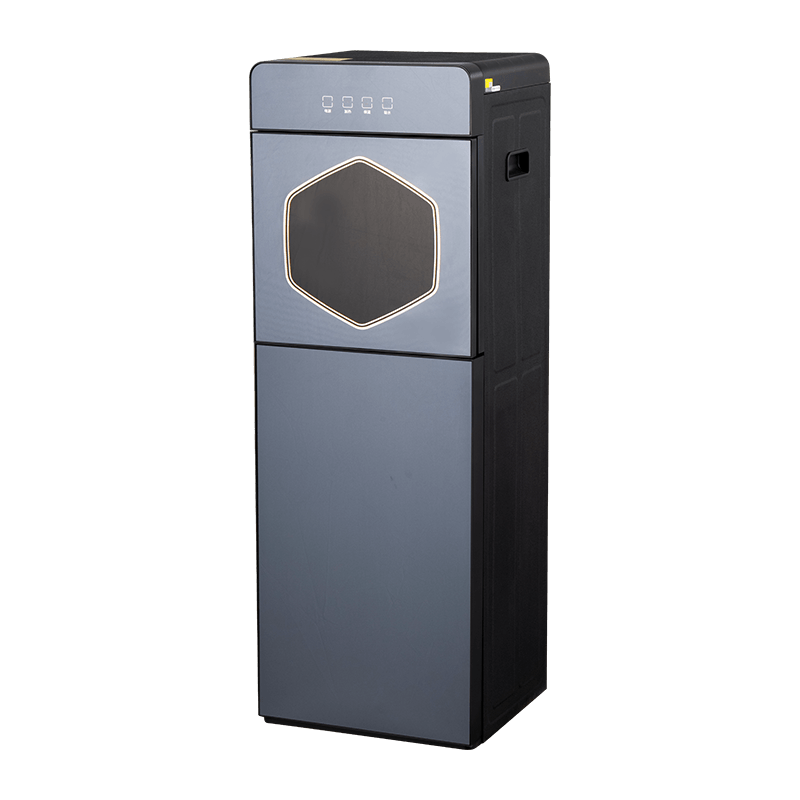
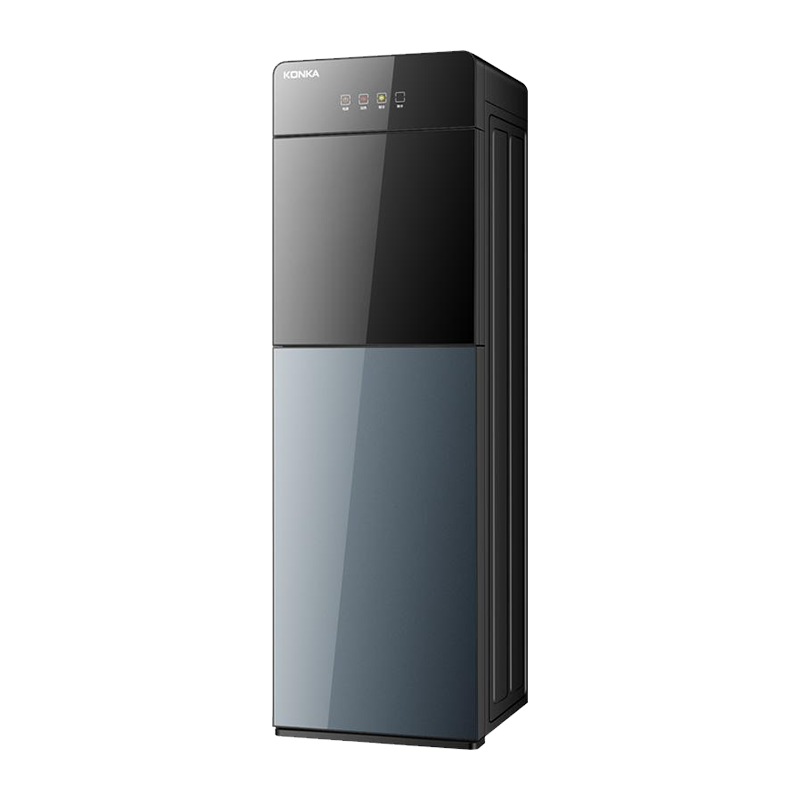
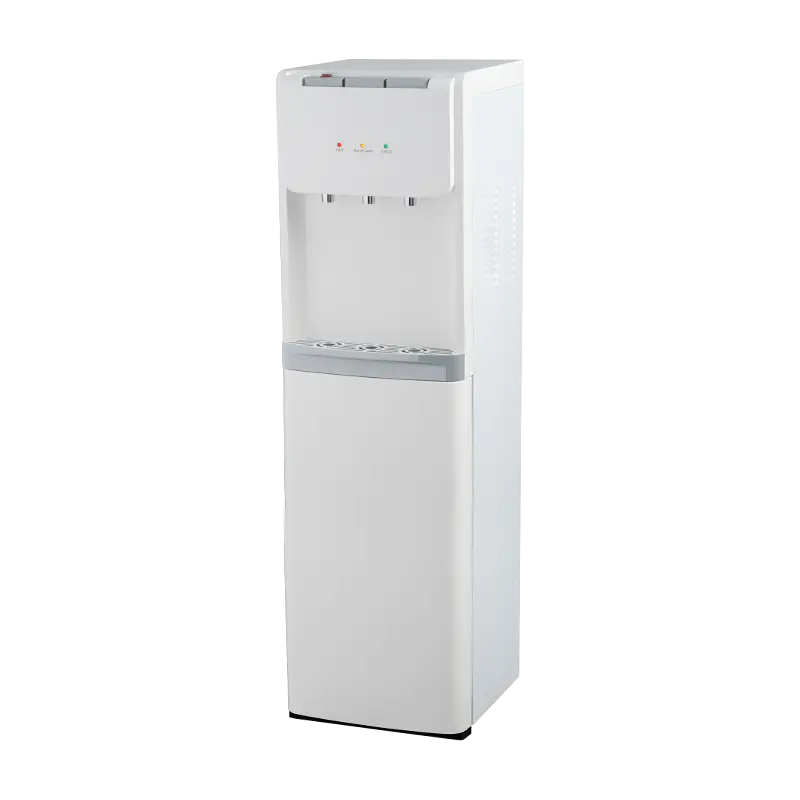
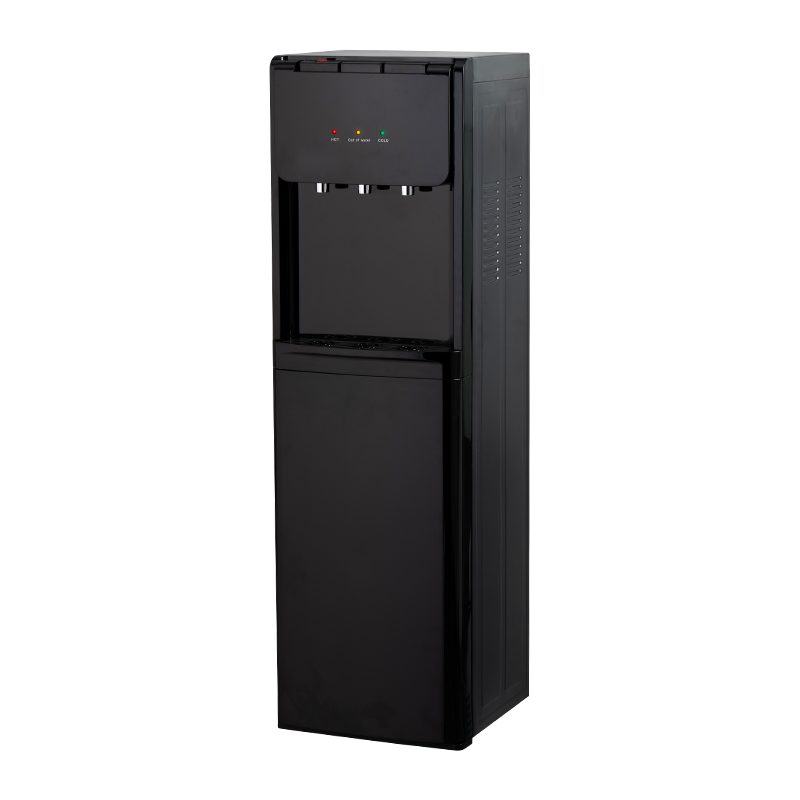
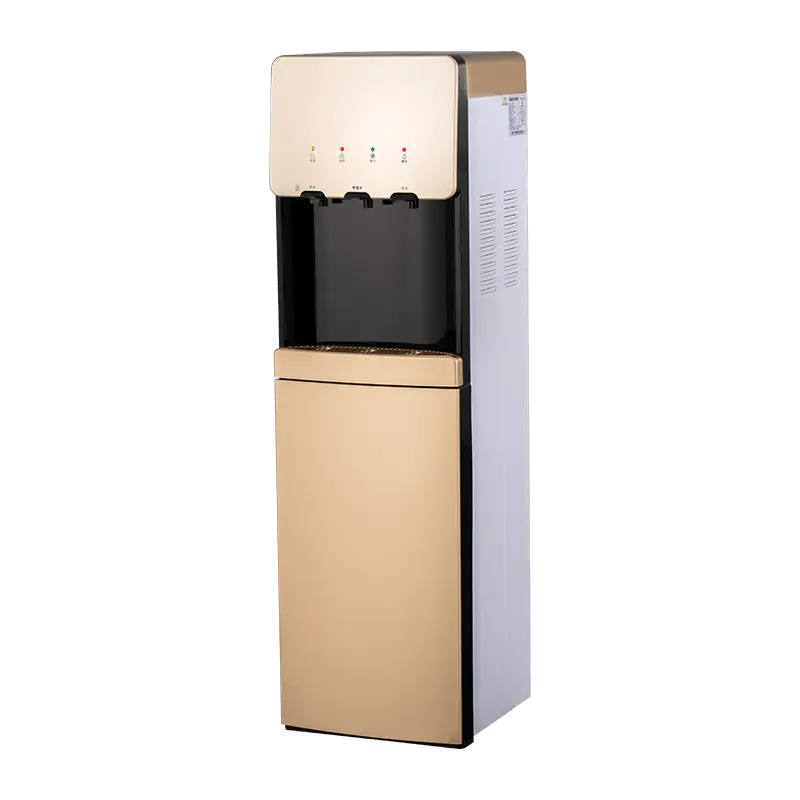
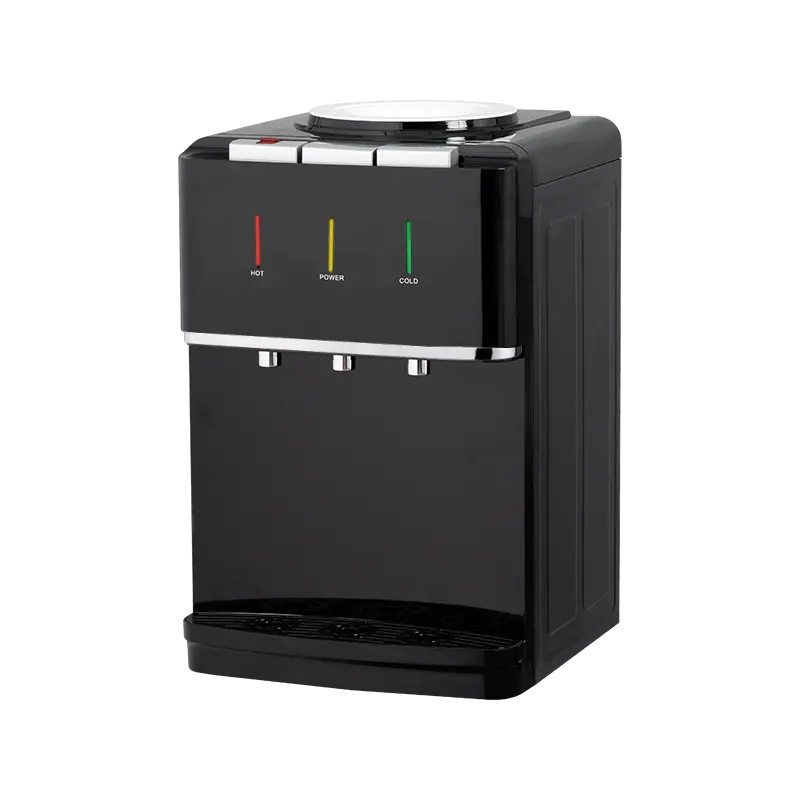
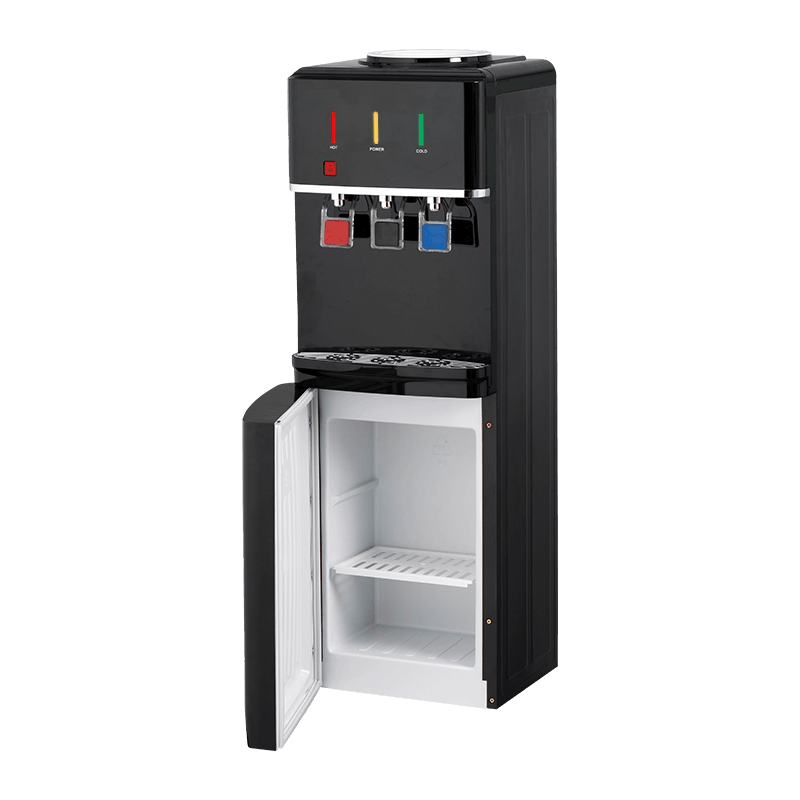
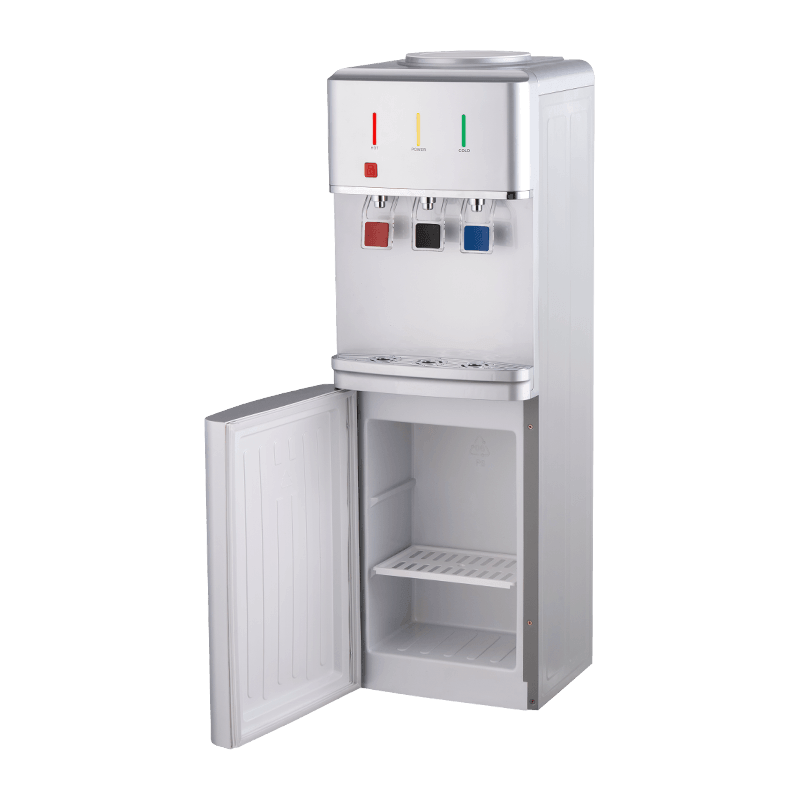
는 수직형 정수기 현대 가정, 사무실 환경, 상업 공공 공간에서 가장 실용적이고 널리 채택되는 기기 중 하나로 부상했습니다. 귀중한 준비 표면을 차지하는 이전 세대의 조리대 정수기 또는 제한된 온도 옵션을 제공하는 초보적인 보일러와는 달리, 현대식 수직 정수기는 고급 난방 및 냉각 기술, 공간 효율적인 디자인, 점점 더 지능화되는 기능을 하나의 응집력 있는 기기에 통합한 자립형 바닥 장착형 장치입니다. 기본적인 목적은 여전히 간단합니다. 즉, 원하는 온도의 깨끗한 식수에 즉시 접근할 수 있도록 하는 것입니다. 그러나 이러한 목적을 달성하는 방식은 지난 10년 동안 극적으로 발전했습니다. 수직형 정수기를 정말 독특하게 만드는 것은 차, 커피, 라면을 끓일 때까지 끓는 물, 따뜻한 날에 상쾌함을 느낄 수 있는 냉수, 뜨겁지도 차갑지도 않은 사람들을 위한 상온의 물을 모두 0.5제곱미터 미만의 바닥 공간을 차지하는 하나의 컴팩트한 장치에서 공급할 수 있다는 것입니다. 이러한 다용성만으로도 냉장고에 보관되는 전기 주전자나 물 주전자와 같은 단일 목적의 가전제품과 구별됩니다.
단순한 편리함을 넘어, 수직형 정수기는 여러 가지 현대적인 라이프스타일 문제를 동시에 해결합니다. 여러 가족 구성원이 하루 종일 서로 다른 음료 선호도를 갖고 있는 가정에서는 여러 가전제품을 작동하거나 물이 가열되거나 식을 때까지 기다릴 필요 없이 단일 수직 장치로 모든 사람을 만족시킬 수 있습니다. 직원 생산성이 수분 공급 수준과 직접적으로 연관되어 있는 사무실 환경에서는 신뢰할 수 있는 맛있는 물 공급원을 확보하면 자주 마시는 것이 장려되고 일시적인 갈증 해소 효과만 제공하는 단 탄산음료나 카페인 함유 음료를 섭취하려는 유혹이 줄어듭니다. 더욱이, 이러한 디스펜서의 수직 방향은 단순히 미적인 선택이 아니라 기능적인 선택입니다. 수직형 정수기는 작은 에스프레소 컵부터 큰 스포츠 병까지 모든 것을 수용할 수 있는 높이에 물 분사 노즐을 배치하고 제어판을 편안한 눈높이에 배치함으로써 사용자, 특히 노약자나 이동이 제한된 사람들이 무거운 물병을 들거나 몸을 굽혀 낮은 장치에서 물을 꺼내는 데 어려움을 겪는 사람들의 신체적 부담을 줄여줍니다.
수직 정수기를 다른 수화 솔루션과 차별화시키는 또 다른 특징은 다양한 수원에 대한 놀라운 적응성입니다. 소비자는 임대 아파트, 임시 이벤트 공간 또는 원격 사무실과 같이 배관에 직접 접근할 수 없는 위치에 이상적인 표준 3~5갤런 물병을 수용하는 병 공급 모델과 건물의 물 공급 장치에 직접 연결되고 다단계 여과 시스템을 통합하는 병 없는 모델 중에서 선택할 수 있습니다. 후자의 범주는 수돗물 품질 문제에 대한 인식이 높아짐에 따라 최근 몇 년간 엄청난 인기를 얻었습니다. 현대식 수직 정수기에서 사용할 수 있는 여과 시스템은 맛과 냄새를 개선하는 기본 침전물 및 활성탄 필터부터 중금속, 염소, 의약품 및 미세 플라스틱을 제거하는 정교한 역삼투 장치에 이르기까지 다양하며 때로는 남아 있는 박테리아나 바이러스를 제거하는 자외선 살균 램프로 보완됩니다. 결과적으로, 병이 없는 수직형 정수기는 사실상 소형 정수장이 되어 플라스틱 폐기물로 인한 환경적 부담 없이 훨씬 적은 비용으로 프리미엄 병 브랜드에 필적하는 수질을 생산합니다.
는 safety features integrated into contemporary vertical water dispensers further enhance their uniqueness and appeal, particularly in environments where children, elderly individuals, or high volumes of public users are present. Older water cooler models were notorious for allowing unrestricted access to scalding hot water, leading to burn injuries, especially among young children who could easily reach the hot water tap. Modern vertical dispensers address this critical vulnerability through several layers of protection. The most fundamental is the child safety lock, typically a spring-loaded mechanism or a two-step activation sequence that prevents the hot water button from dispensing unless deliberately overridden by an adult. Beyond this, many models incorporate anti-tip bases that make it exceptionally difficult to knock the unit over, automatic shut-off systems that deactivate the heating element when the internal water tank runs dry to prevent dangerous overheating or fire, and leak detection sensors that immediately cut power and water supply if moisture is detected inside the chassis. For commercial applications such as schools, hospitals, and public waiting areas, some vertical dispensers also feature touchless sensor activation, where placing a cup under the nozzle triggers an infrared sensor to dispense water without any physical contact, dramatically reducing cross-contamination risks in high-traffic settings.
에너지 효율성은 수직형 정수기가 상당한 발전을 이룬 또 다른 영역을 나타내며, 실제 사용량에 관계없이 지속적으로 전기를 소비하는 초기 상시 냉수 냉각기에 대한 일반적인 비판을 해결합니다. 기존의 온수 및 냉수 디스펜서는 24시간 내내 물을 목표 온도로 유지하는 저장 탱크에 의존했습니다. 즉, 밤, 주말 또는 사무실 폐쇄 기간 동안에도 장치는 물을 뜨겁고 차갑게 유지하기 위해 계속해서 전력을 끌어옵니다. 현대 수직 정수기는 이러한 낭비를 줄이기 위해 몇 가지 혁신을 도입했습니다. 가장 큰 영향을 미친 것은 예열된 물 저장소를 유지하는 대신 사용자가 온수를 요청할 때만 활성화되는 고출력 가열 요소를 사용하여 시스템을 통해 흐르는 물을 가열하는 순간 또는 주문형 가열 기술을 채택한 것입니다. 이 접근 방식은 일반적으로 2,000~3,000와트 사이의 더 높은 순간 전력을 필요로 하지만, 사용하지 않을 때마다 발열체가 완전히 꺼진 상태로 유지되기 때문에 총 일일 에너지 소비량은 상당히 낮습니다. 냉수의 경우, 압축기 기반 냉각 시스템은 프리미엄 모델에서 효율성이 떨어지는 열전 냉각기를 대체하여 더 빠른 온도 회복과 더 낮은 운영 비용을 제공하며, 진공 단열 온수 탱크는 기존 폼 단열재보다 훨씬 더 오랫동안 열을 유지하여 재가열 주기 빈도를 줄입니다. 이제 일부 고급 모델에는 사용자가 작동 일정을 설정할 수 있는 프로그래밍 가능한 타이머가 포함되어 있으며, 야간 시간이나 주말과 같이 예측 가능한 유휴 기간 동안 난방 및 냉방 시스템의 전원을 자동으로 끄고, 첫 번째 예상 사용 직전에 정상 작동을 재개합니다. 이러한 개선을 통해 Energy Star 인증 수직 정수기는 하루에 0.5kWh를 소비할 수 있게 되었으며, 이는 10시간 동안 켜져 있는 일반적인 50와트 전구보다 적은 양입니다.
주거, 상업, 사무실 환경 전반에 걸친 실질적인 이점
는 value proposition of the vertical water dispenser varies across different usage environments, but the common thread is its ability to solve specific hydration-related pain points that alternative solutions fail to address adequately. In residential settings, particularly family homes with children, the vertical water dispenser transforms daily hydration from a chore into an effortless habit. Parents of infants quickly appreciate the ability to dispense perfectly warm water for formula preparation without waiting for a kettle to boil and then cool, a process that can take ten minutes or longer, during which a hungry baby may become increasingly distressed. For older children, having a dedicated water dispenser at an accessible height encourages self-sufficiency, allowing them to pour their own water without asking an adult for assistance or attempting to lift heavy pitchers from the refrigerator. In households where multiple family members have different beverage preferences, the vertical dispenser serves as a centralized hydration station, eliminating the kitchen clutter of separate appliances such as an electric kettle for tea, a water filter pitcher for drinking water, and a carafe stored in the refrigerator for cold water. The space-saving vertical design is particularly valuable in urban apartments where kitchen counter space is at a premium, as the dispenser can be placed against any wall or in a corner, occupying floor area that would otherwise go unused while freeing up counters for food preparation activities.
사무실 환경에서 수직형 정수기의 이점은 개인의 편의성을 넘어 조직 생산성, 직원 복지, 운영 비용 관리까지 아우릅니다. 연구에 따르면 체중의 1~2% 정도의 체액 손실로 정의되는 경미한 탈수라도 집중력, 단기 기억, 주의력, 기분을 비롯한 인지 기능을 손상시키는 것으로 나타났습니다. 직원들이 지속적인 주의가 필요한 지식 작업에 참여하는 사무실 환경에서 매력적인 식수에 쉽게 접근할 수 있도록 하는 것은 근무일 내내 정신적 성과를 지원하는 간단하면서도 효과적인 개입입니다. 중앙 휴게실이나 사람이 많이 다니는 구역 근처에 수직형 물 디스펜서를 배치하면 직원들이 잠시 수분을 섭취할 수 있는 휴식 시간을 가질 수 있습니다. 이를 통해 부수적인 사회적 상호 작용과 책상에서 잠시 벗어나 물리적으로 이동할 수 있는 기회도 제공됩니다. 두 가지 모두 직장 복지에 대한 이점이 독립적으로 문서화되어 있습니다. 비용 측면에서 통합 여과 기능을 갖춘 건물의 물 공급 장치에 연결된 병 없는 수직형 정수기를 설치하는 데 드는 비용은 일반적으로 조직이 생수 배달 서비스에 지출하는 비용의 일부에 불과합니다. 50명의 직원이 있는 일반적인 사무실에서는 한 달에 20~35갤런짜리 병을 소비하며 병당 6~10달러의 비용이 듭니다. 결과적으로 병 재고에 필요한 저장 공간이나 병 교체에 필요한 인건비를 제외하고 연간 지출은 약 1,500~3,000달러에 이릅니다. 병이 없는 수직형 정수기는 이러한 반복되는 비용을 완전히 없애고, 일반적으로 연간 50~100달러에 달하는 주기적인 필터 교체 비용과 난방 및 냉방에 필요한 최소한의 전력 소비만 남깁니다.
레스토랑, 호텔, 피트니스 센터, 진료소 및 교육 기관을 포함한 수직형 정수기의 상업적 응용 분야에서는 주거용 또는 일반 사무실 모델보다 더 높은 수준의 내구성, 처리량 및 규정 준수가 요구됩니다. 분주한 식당 주방에서 직원들은 청소와 음식 준비를 위한 온수와 음료 서비스를 위한 냉수에 신속하게 접근해야 하며, 성수기에는 시간당 수십 인분의 물이 필요한 경우가 많습니다. 상업용 수직 정수기는 더 큰 내부 탱크, 더 강력한 압축기, 사용 사이에 온도를 더 빨리 회복하는 더 빠른 가열 요소를 통해 이러한 요구를 충족합니다. 일반적인 상업용 모델은 시간당 10~15리터의 온수 생산량과 시간당 8~12리터의 냉수를 제공하여 중간 규모의 식품 서비스 운영을 지원하기에 충분합니다. 진료소, 병원, 치과 진료실과 같은 의료 환경에서는 위생 요구 사항이 가장 중요하므로 많은 시설에서는 터치리스 센서 활성화 기능이 있는 수직 정수기, 외부 잔해로 오염되지 않는 밀봉된 내부 물 경로, 저장된 물을 지속적으로 처리하여 박테리아 성장을 방지하는 자외선 살균 램프를 지정합니다. 피트니스 센터와 체육관은 주로 강렬한 운동 후 목마른 고객을 만족시키기 위한 높은 냉수 출력과 가끔 떨어지는 무게나 부딪치는 덤벨을 손상 없이 견딜 수 있는 내구성 있고 충격에 강한 구조를 중심으로 다양한 요구 사항을 제시합니다. 호텔에서는 로비 공간, 피트니스 룸, 비즈니스 센터에 수직형 정수기를 배치하는 것의 가치를 고객 경험을 향상시키는 동시에 모든 객실에 개별 생수 제공과 관련된 환경 영향 및 비용을 줄이는 무료 편의 시설로 인식하고 있습니다.
광범위한 채택을 촉진하는 경제 및 환경 고려 사항
는 accelerating shift toward vertical water dispensers cannot be fully understood without examining the powerful economic and environmental forces that are reshaping consumer preferences and organizational purchasing decisions. On the economic front, the total cost of ownership comparison between a quality vertical water dispenser and continued reliance on single-use plastic bottled water is stark and compelling. For a household of four that currently purchases an average of two cases of bottled water per week, with each case containing twenty-four half-liter bottles at a typical retail price of five to seven dollars, the annual expenditure ranges from five hundred twenty to seven hundred twenty-eight dollars, not including the environmental disposal costs or the storage space required to accommodate multiple cases. Even this figure underestimates the true cost, because many households also purchase separate beverages such as bottled juices, sodas, and sports drinks, which further inflate the beverage budget. A one-time investment in a quality bottle-less vertical water dispenser, ranging from two hundred to six hundred dollars depending on features and filtration complexity, combined with annual filter replacement costs of fifty to one hundred dollars and electricity consumption of thirty to sixty dollars, yields a first-year total of approximately two hundred eighty to seven hundred sixty dollars, and subsequent annual costs of only eighty to one hundred sixty dollars. In other words, a household that switches from bottled water to a bottle-less vertical dispenser can expect to recover its initial investment within twelve to eighteen months, after which it enjoys essentially free drinking water aside from minimal maintenance expenses. For organizations with dozens or hundreds of employees, the economic case is even more compelling, with potential annual savings ranging from several thousand to tens of thousands of dollars depending on scale.
는 environmental case for vertical water dispensers is equally powerful and resonates with increasingly environmentally conscious consumers and corporations alike. The global plastic pollution crisis has reached alarming proportions, with an estimated eight million metric tons of plastic entering the oceans annually, where it fragments into microplastics that contaminate marine ecosystems and eventually enter the human food chain. Single-use plastic water bottles are among the most visible and avoidable contributors to this crisis. The production of the plastic bottles themselves requires petroleum, a fossil fuel, and the transportation of bottled water from often distant sources to retail locations generates additional carbon emissions. A single vertical water dispenser, particularly a bottle-less model with built-in filtration, can eliminate thousands of plastic bottles over its service life. A typical office vertical dispenser used by fifty employees, each of whom might otherwise consume two plastic bottles per workday, prevents the use of approximately twenty-five thousand plastic bottles annually. Over a five-year service life, that single appliance prevents more than one hundred thousand plastic bottles from being manufactured, transported, filled, consumed, and disposed of, with corresponding reductions in petroleum consumption, carbon emissions, and landfill or ocean pollution. Organizations increasingly cite such reductions in their Environmental, Social, and Governance reports, using the adoption of bottle-less hydration solutions as tangible evidence of their commitment to sustainability goals. Even bottle-fed vertical water dispensers, which still require the use of large reusable five-gallon bottles, represent a substantial improvement over single-use bottles, as each reusable bottle replaces approximately three hundred individual half-liter bottles over its service life.
직접적인 플라스틱 감소 이점 외에도 수직 정수기는 에너지 효율성 향상과 운송 관련 배출 제거를 통해 더 넓은 환경 목표에 기여합니다. 가장 효율적인 현대식 장치는 냉난방을 합친 데 연간 100kWh 미만을 소비합니다. 이는 약 200개의 플라스틱 물병을 제조하는 데 필요한 에너지에 해당합니다. 이와 대조적으로, 200개의 병을 생산, 채우고 운송하는 데는 에너지 지출이 몇 배나 소요되며, 병에 담긴 물 1리터를 생산하는 데 일반적으로 3~5리터의 물이 필요한 병입 공정 자체에서 소비되는 물은 말할 것도 없습니다. 병이 없는 수직 디스펜서의 물 효율성은 생수 특유의 낭비적인 포장 비율 없이 도시 공급원에서 직접 물을 처리하고 분배하기 때문에 극적으로 우수합니다. 환경을 생각하는 소비자와 조직의 경우, 수직형 정수기 설치 선택은 단순히 개인의 편의나 비용 절감의 문제가 아니라 플라스틱 폐기물을 줄이고, 에너지와 수자원을 보존하며, 매일 수분 공급으로 인한 환경 영향을 완화하는 데 적극적으로 기여하는 것입니다. 이러한 경제적 이기심과 환경적 책임의 일치는 왜 수직 정수기가 개인 가정에서 다국적 기업에 이르기까지 모든 시장 부문에서 그렇게 빠르게 채택되고 있는지, 그리고 왜 현대 생활에 필수적인 수분 공급 솔루션으로서의 역할이 앞으로도 계속해서 성장할 것인지를 설명합니다.